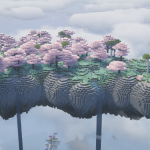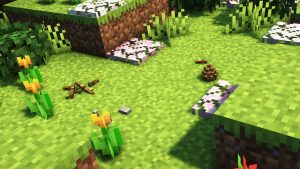
Regions Unexplored is a world generation mod that pours more than 70 hand-crafted biomes into the Overworld, the caves beneath it, and the Nether. Instead of adding bosses or machines, it rebuilds the landscape you walk through every day, filling the world with new trees, flowers, stone types, and atmospheric regions that range from cozy Highland Fields to the burnt, glowing Infernal Holt.
The mod is built on TerraBlender, so its biomes blend directly into normal terrain generation without a separate dimension or a difficult setup. This guide covers how the new biomes appear, which ones are worth hunting down first, and how to use the huge library of new wood, building, and decorative blocks that come with them.
How the Biomes Generate
Understanding how Regions Unexplored places its biomes makes them much easier to find. The mod does not add a new dimension; instead it injects its regions into the existing Overworld and Nether using TerraBlender. This is also why Regions Unexplored can coexist with other biome mods in the same pack.
Region Rarity Tiers
Biomes are sorted into weighted groups that control how often they appear. The mod ships with a primary region, a secondary region, and a rare region, each set to a different default weight so that common biomes show up frequently while special ones stay scarce.
A separate Nether region weight handles the underworld biomes. Rare biomes like the Alpha Grove are intentionally hard to find, which is why the locate command is so useful.
Surface, Cave, and Nether Layers
The regions split across three layers of the world. Surface biomes cover the bulk of the mod and shape the terrain you walk on, cave biomes generate underground in their own pockets, and Nether biomes replace stretches of the standard Nether.
Each layer has its own advancement, so you can track surface, underground, and Nether exploration separately as you go.
Vanilla Structures Still Spawn
Because the new biomes plug into normal generation, vanilla structures still appear inside them where the game allows it. Players have found Taiga villages generating inside the Muddy River, for example, giving familiar landmarks a completely new backdrop. This keeps the mod feeling like an expansion of Minecraft rather than a separate game.
Best Biomes to Explore First
With more than 70 biomes to choose from, a few stand out as the most rewarding places to visit early. The picks below are chosen for strong atmosphere, useful new blocks, and distinctive looks that make them worth a dedicated trip. Each one showcases a different side of what Regions Unexplored does best.

Highland Fields
Fen
Magnolia Woodland
Rocky Reef
Highland Fields
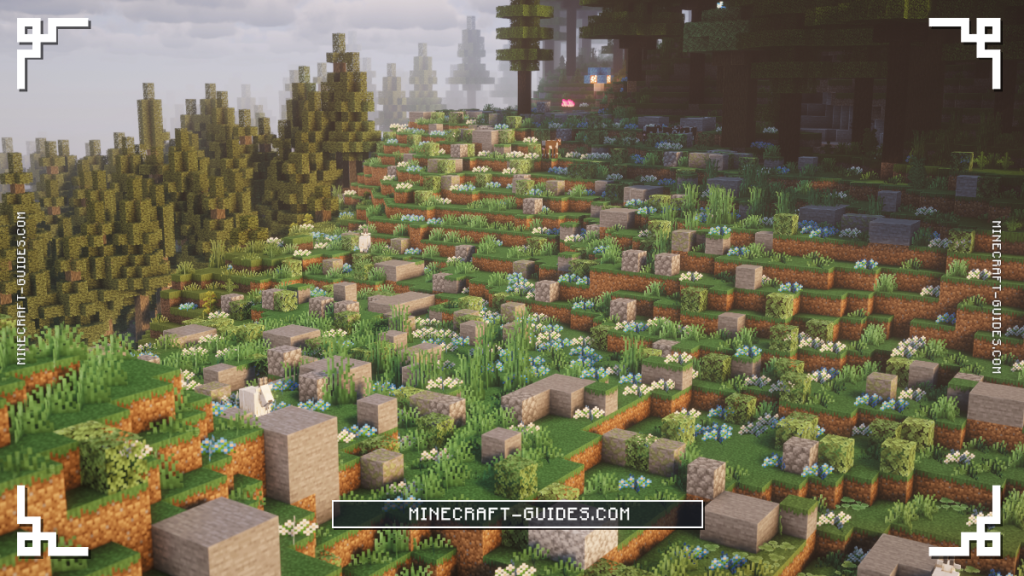
The Highland Fields set cool blue-green grass against a landscape littered with  Mossy Stone,
  Cobblestone, and blue-and-white
  Daisies. It manages to feel overgrown and lived-in without becoming cluttered, which makes it one of the most popular building biomes in the mod. The natural supply of Mossy Stone is a real bonus for medieval and cottage-style bases.
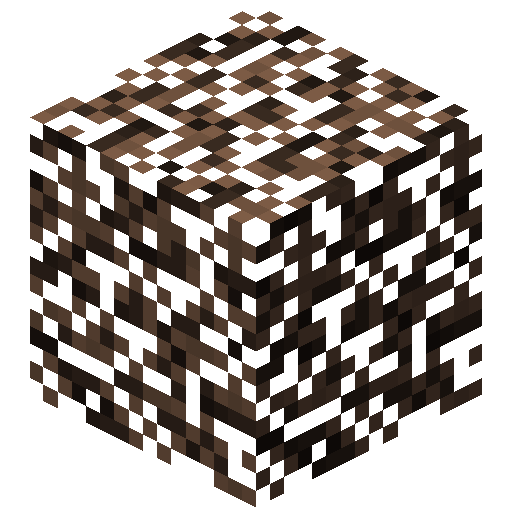
The Fen
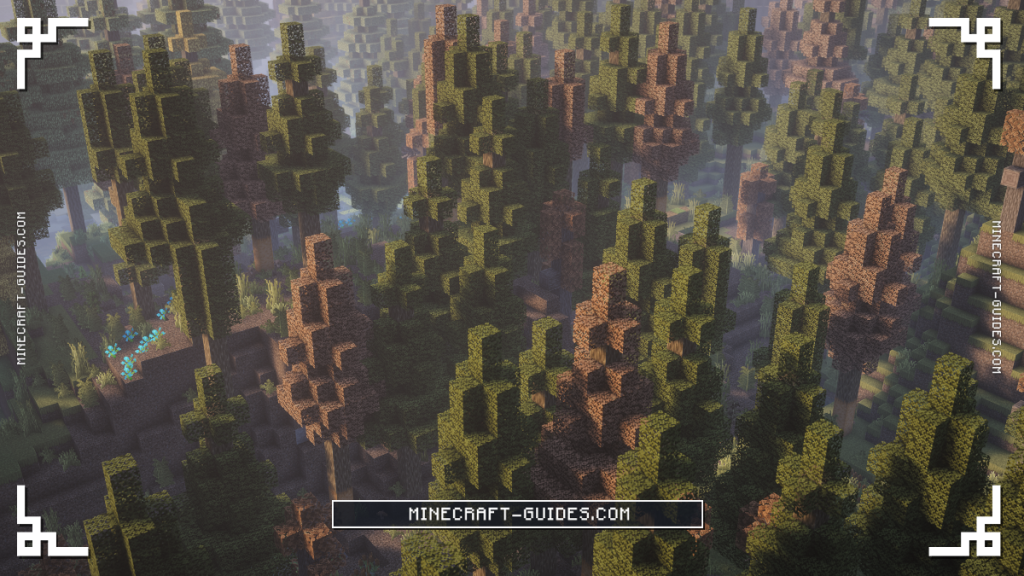
The Fen is a moody wetland filled with  Duckweed-covered water,
  Pine and Dead trees, and tall
  Cattail plants that give the whole area the feel of a quiet fishing spot. It is a favorite among players who like atmospheric, waterlogged builds.
  Cypress and
  Dead Wood are both close at hand here for darker, weathered construction.
Magnolia Woodland
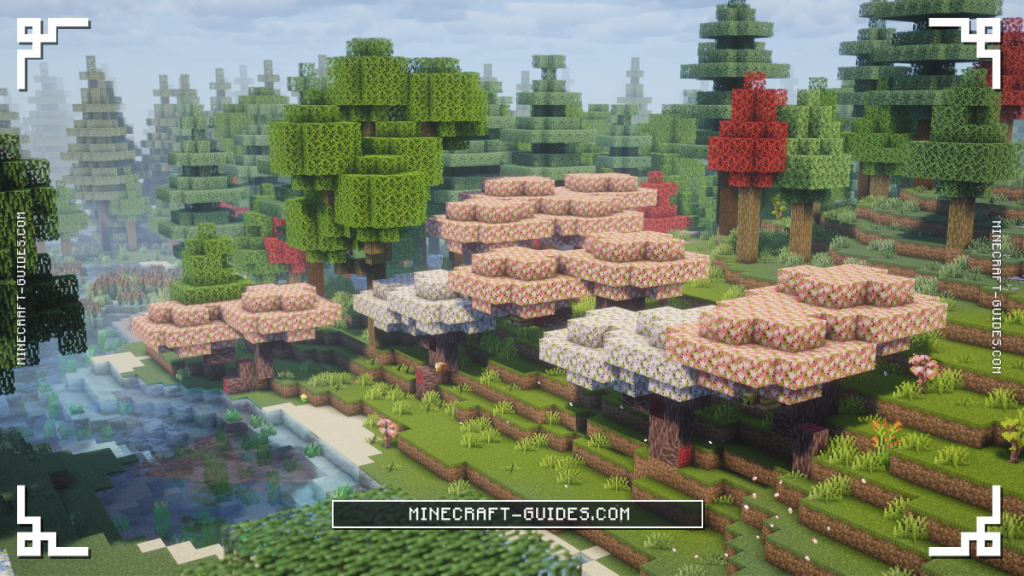
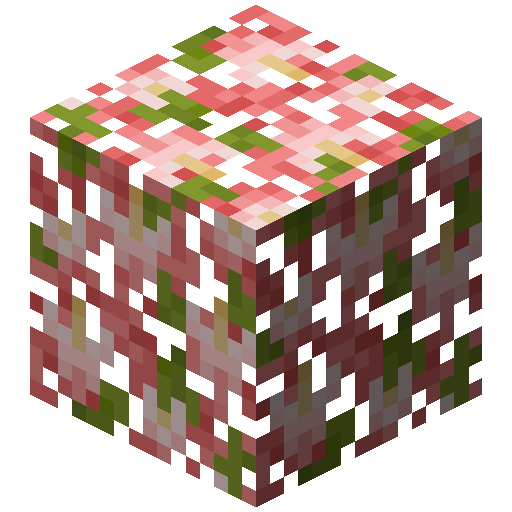
Magnolia Woodland is the mod’s answer to a cherry grove, growing green, White, and
  Pink
Pink  Magnolia trees that drop soft blossom particles as you walk beneath them. The red interior of the trunks adds a warm contrast much like
  Cherry Logs do. If you want a gentle, pastel forest to build in, this is the biome to seek out.
Rocky Reef
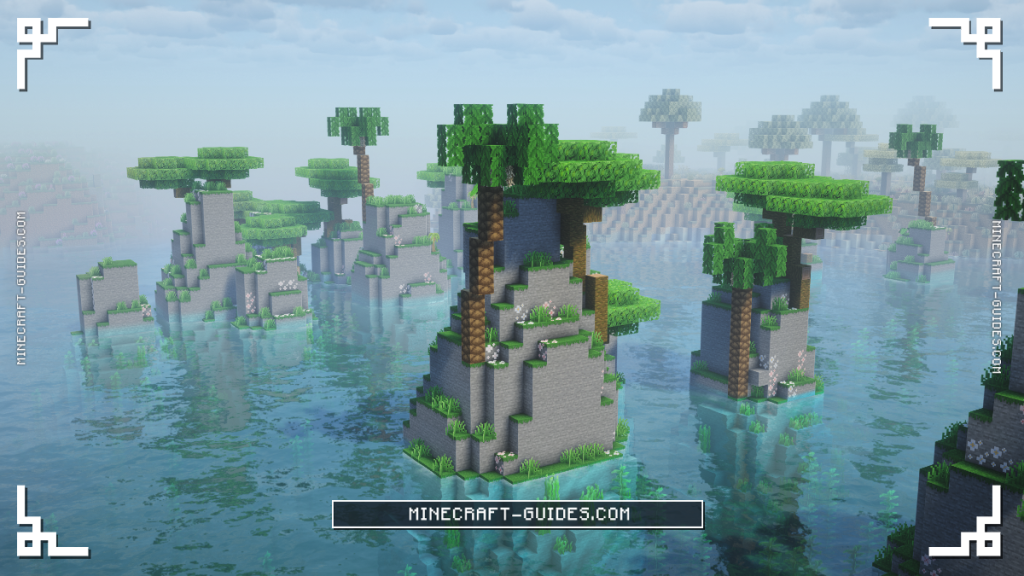
The Rocky Reef scatters grassy stone islands across warm water, decorated with  Palm and
  Jungle trees plus
  Blue and
  Pink Magnolia Flowers. It is one of the most cohesive and relaxing ocean biomes in the mod, and the small rock formations make ideal spots for compact island bases. Bring a
  Boat, since the reef rewards slow exploration between its islets.
Overworld Biome List
The surface biomes make up the largest share of Regions Unexplored, with 61 different regions covering forests, wetlands, fields, deserts, and mountains. They are grouped below by theme so you know what to expect, and the full list at the end can be copied straight into the locate command.
Forests and Taigas
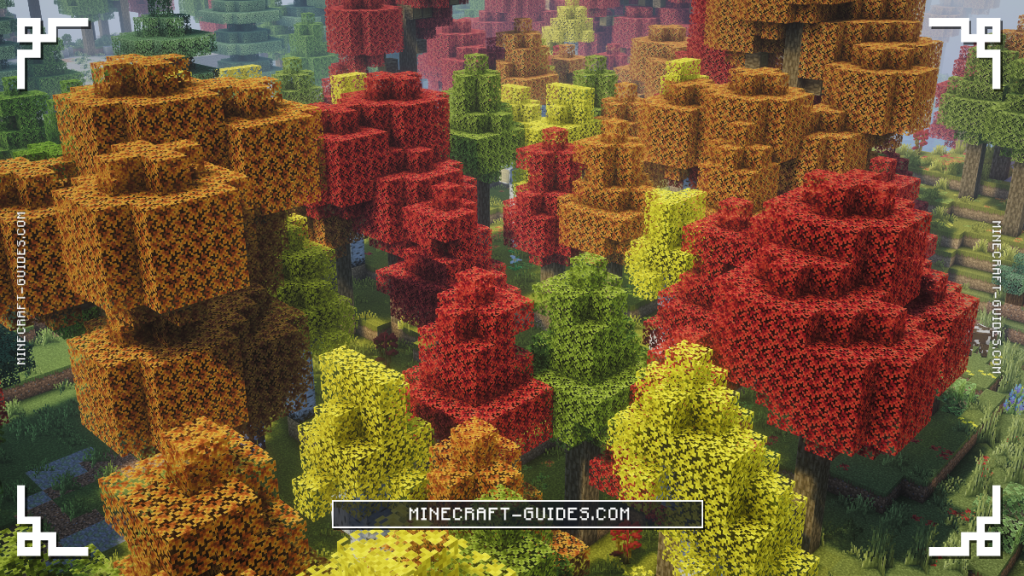
This is the deepest category in the mod. The Deciduous Forest mixes lush tree shapes with unique  Small Oak Logs, while the Magnolia Woodland, Maple Forest, and Autumnal Maple Forest bring reds, pinks, and warm autumn tones. Taiga variants like the Boreal Taiga, Golden Boreal Taiga, and Pine Taiga swap in desaturated or golden canopies over
  Peat Mud and
  Podzol ground.
Rarer forests add real personality. The Silver Birch Forest drops golden leaf piles and falling particles, the Eucalyptus Forest grows tall trees with a shifting rainbow gradient in the bark, and the Redwoods and Sparse Redwoods tower overhead. The Ashen Woodland stands apart as a forest scarred by fire, full of embers and a distinctly dangerous mood.
Wetlands and Rivers
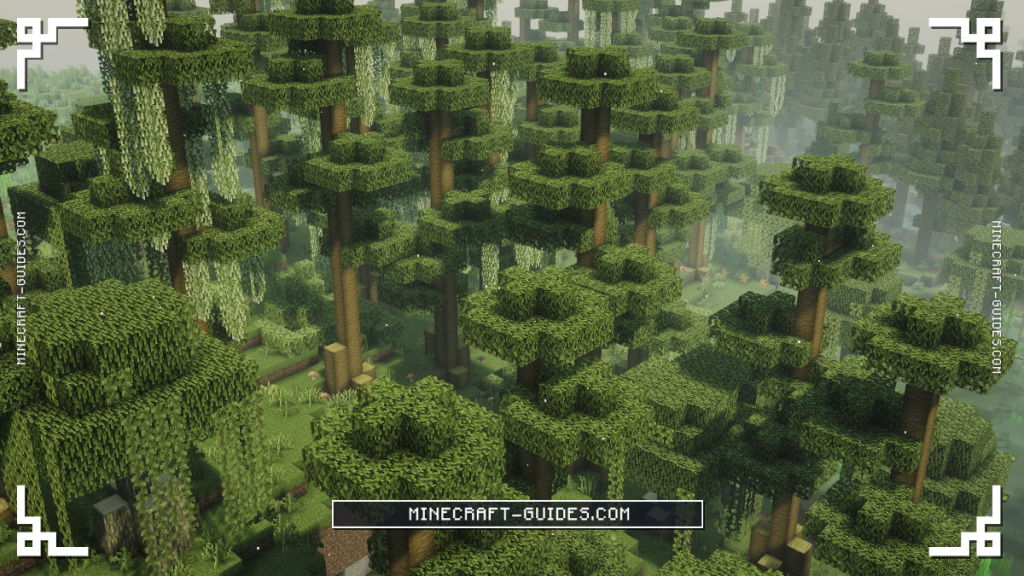
Regions Unexplored leans hard into swampy terrain. The Bayou and Old Growth Bayou grow towering Cypress trees, hanging  Spanish Moss, and
  Giant Lily Pads over dark water, while the Fen, Marsh, and Fungal Fen layer in Duckweed, Cattail, and giant mushrooms. Rivers get variety too, from the brown Peat Mud of the Muddy River to the Cold River and Tropical River.
Fields and Plains
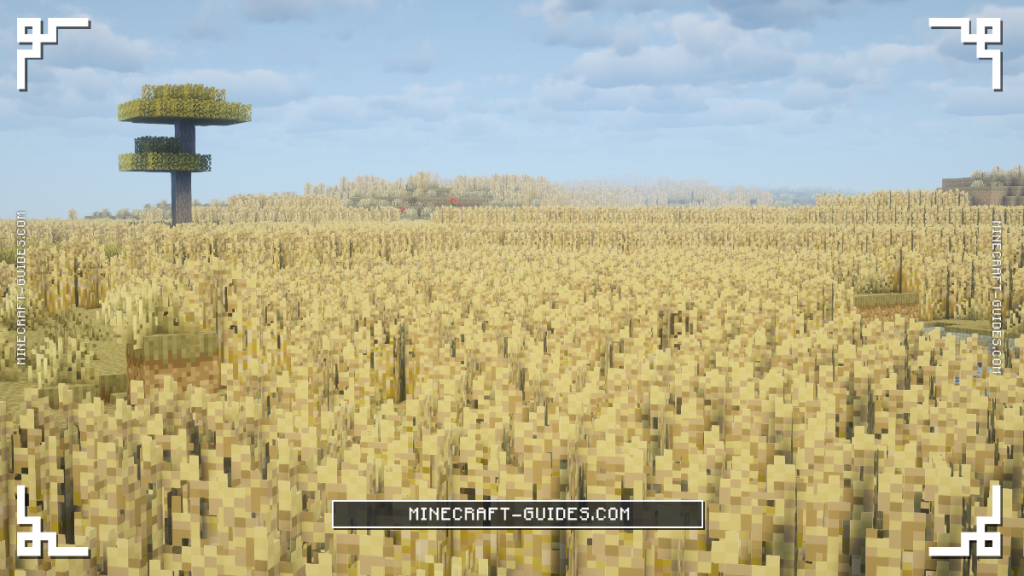
Open biomes fill the gaps between forests with color and crops. The Barley Fields grow harvestable  Barley across desaturated yellow grass, the Clover Plains and Flower Fields carpet the ground in dense blooms, and the Pumpkin Fields scatter
  Jack o’Lantern over Podzol. The Grassland adds special windswept grass, and the Highland Fields deliver the mossy, daisy-covered look many players love.
Deserts and Arid Lands
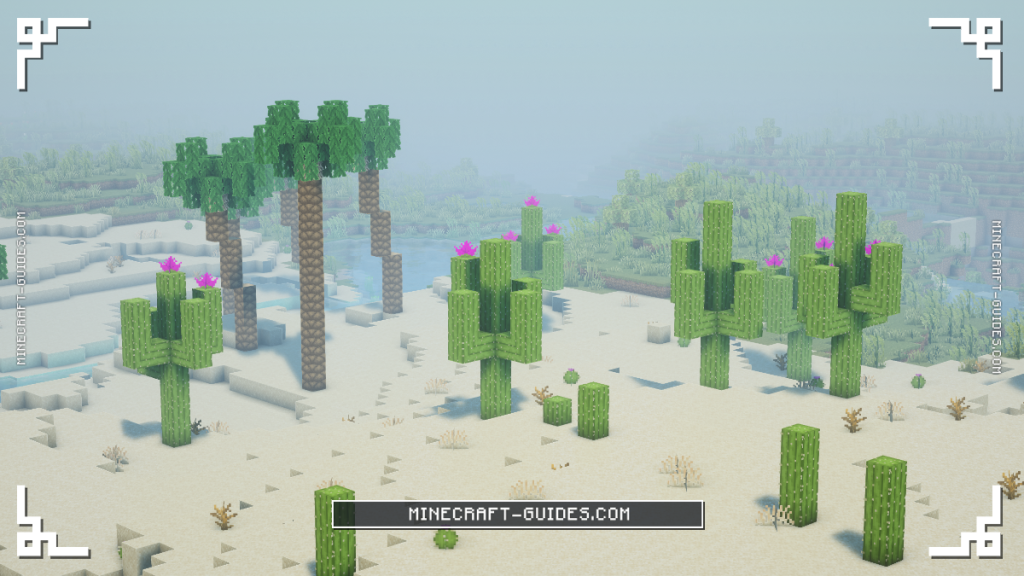
Dry regions bring their own flora. The Saguaro Desert is the highlight, growing branching  Saguaro Cactus with pink flowers that can be placed as full building blocks. The Joshua Desert grows spiky Joshua trees, the Dry Bushland introduces pale
  Silt Dirt and Socotra trees, and the Outback and Baobab Savanna use terracotta tones and simple, lifelike tree shapes.
Mountains, Cliffs, and Beaches

Elevated and coastal biomes round out the surface. The Mountains and Pine Slopes pack dark-needled pine trees over  Coarse Dirt, the Chalk Cliffs pair marble-white
  Chalk with mossy greens, and the Towering Cliffs break up
  Stone with Cobblestone and
  Dirt pathways. Along the coast, the Grassy Beach and Gravel Beach offer alternatives to plain sand shores.
Cold and Frozen Regions
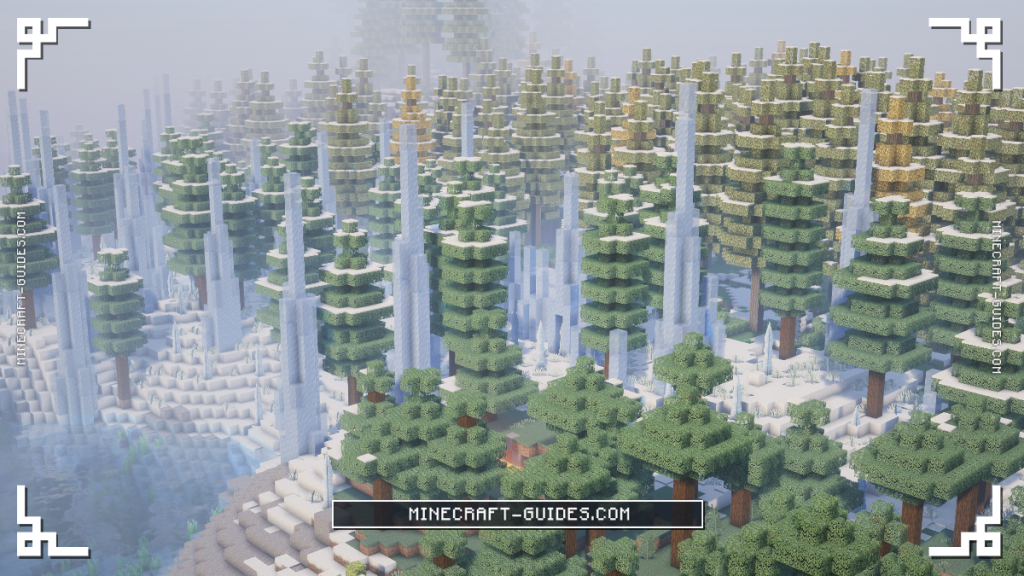
Snowy biomes add texture to the cold. The Frozen Tundra reveals deep brown grass peeking through the snow, the Spires grow tall ice formations between snowy taiga trees, and the Icy Heights and Frozen Pine Taiga cover pine forests in frost. The Cold Deciduous Forest mixes teal and dark red trees for one of the most cohesive winter looks in the mod.
Cave Biome List
Five cave biomes generate in their own underground pockets, and they are some of the most visually striking regions in the mod. Finding them is the goal of the Spelunker advancement, and each one introduces resources and light sources you cannot get on the surface.
Bioshroom Caves
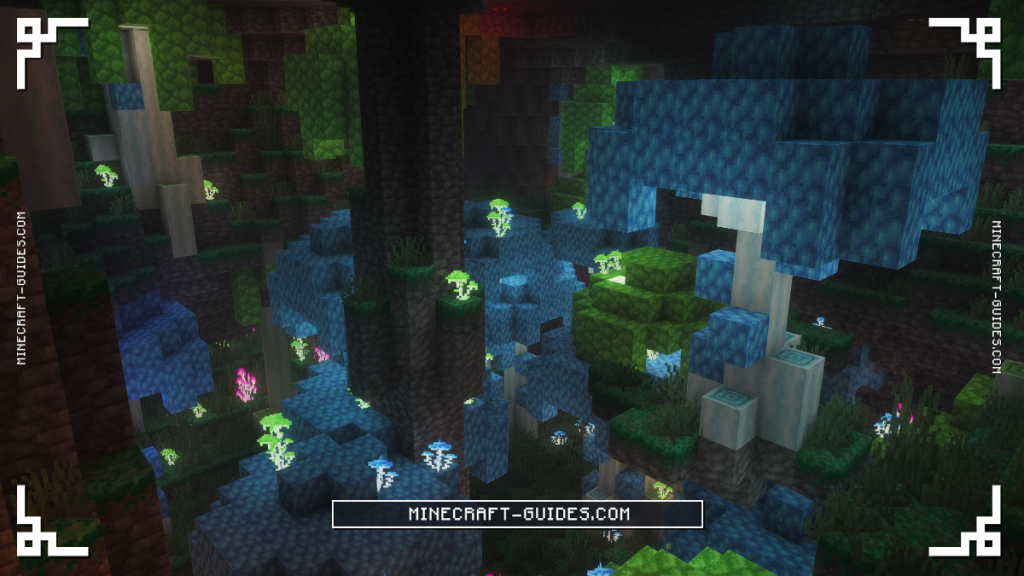
The Bioshroom Caves glow with oversized blue and  Green Mushrooms rising from white stalks, wrapped in floating moss particles that give the space a cozy, insulated feel. Bioshrooms come in blue, green, pink, and yellow, and each color provides a full wood-style set of blocks. Glowing Bioshroom Blocks make excellent natural light sources for underground builds.
Prismachasm
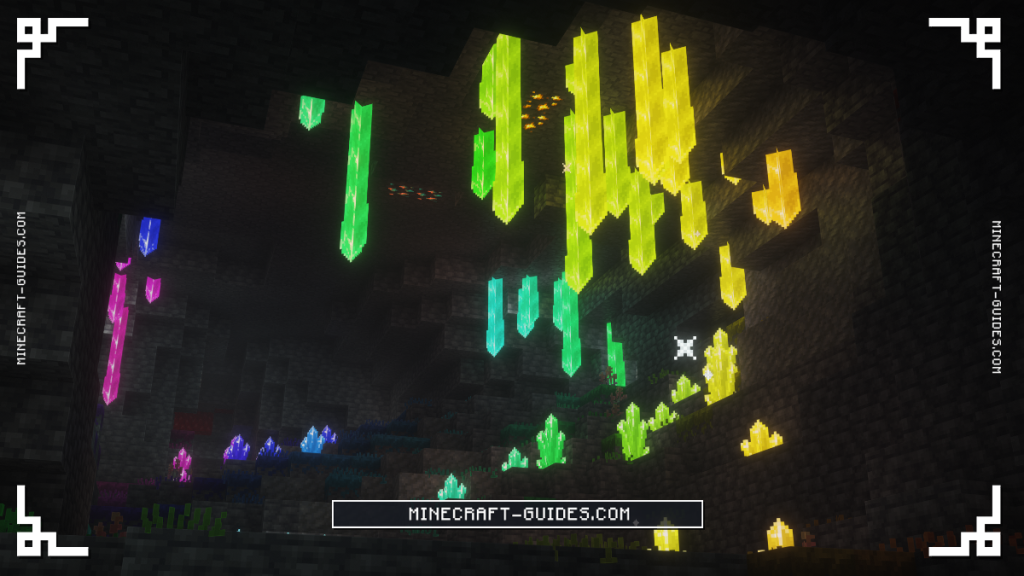
The Prismachasm is the most colorful biome in Regions Unexplored, a chasm packed with rainbow Prismarite crystals and glowing  Prismoss Sprout.
  Prismarite Clusters can be harvested and grown, and the biome yields
  Prismoss and
  Prismaglass for bright, jewel-toned decoration. It is easily one of the mod’s most eye-catching underground finds.
Redstone Caves
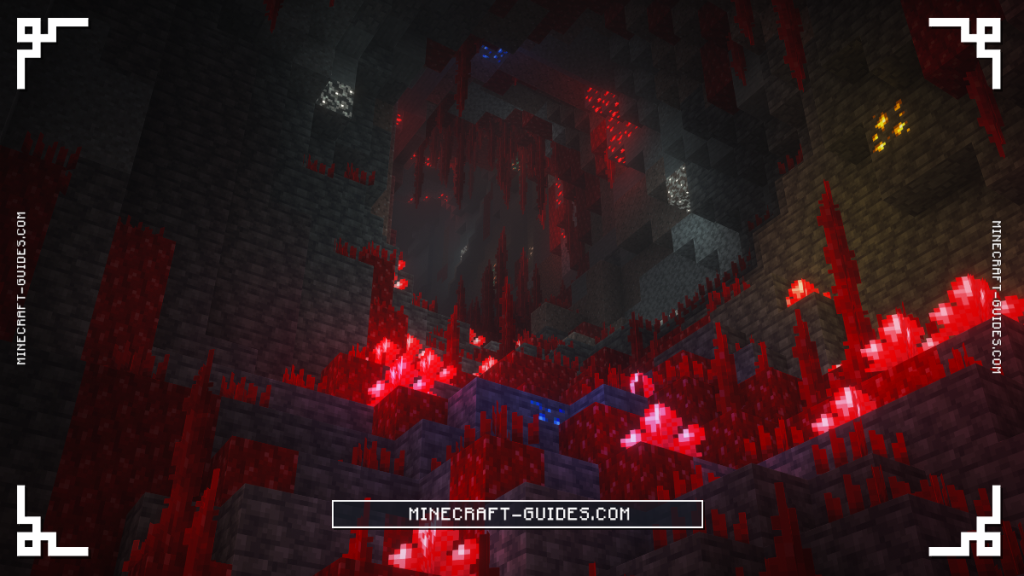
The Redstone Caves grow thin red stalactites and stalagmites of  Pointed Redstone that stand out sharply against the gray cave stone.
  Redstone Bud and
  Redstone Bulb add glowing accents, and the biome offers a natural source of raw Redstone blocks. It reads like a redstone-flavored cousin of the vanilla Dripstone Caves.
Scorching Caves
The Scorching Caves ask what a volcano inside the earth would look like, answering with  Basalt pillars, flowing lava, and
  Ash Vents that pour fiery particles into the air.
  Volcanic Ash, a black sand-like block, covers the ground and makes a great dark building material. Come prepared with fire resistance, since the lava here is unforgiving.
Ancient Delta
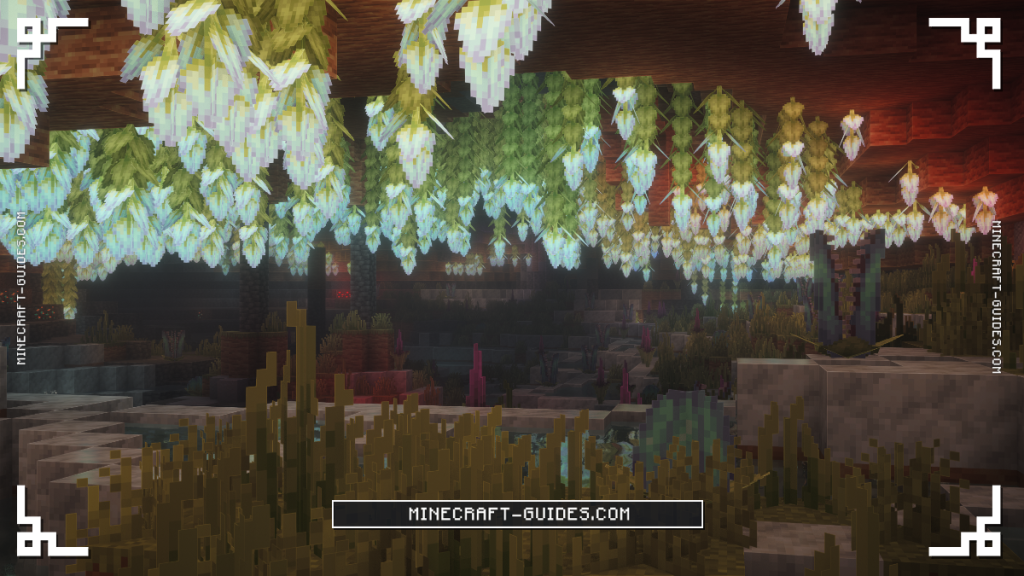
The Ancient Delta is a quieter cave biome built around orange  Argillite stone, pools of water, and glowing blue
  Dropleaf plants. Grass grows off the Argillite in places, and the dense detailing gives it a lush, primeval look. Argillite is a useful new stone type for warm-toned builds.
Nether Biomes List
Regions Unexplored reaches into the Nether as well, adding five biomes that break up the vanilla wastes with new nylium, wood, and hazards. Visiting all of them earns the Eternal Expedition advancement, and several introduce building blocks you cannot find anywhere else.
Blackstone Basin
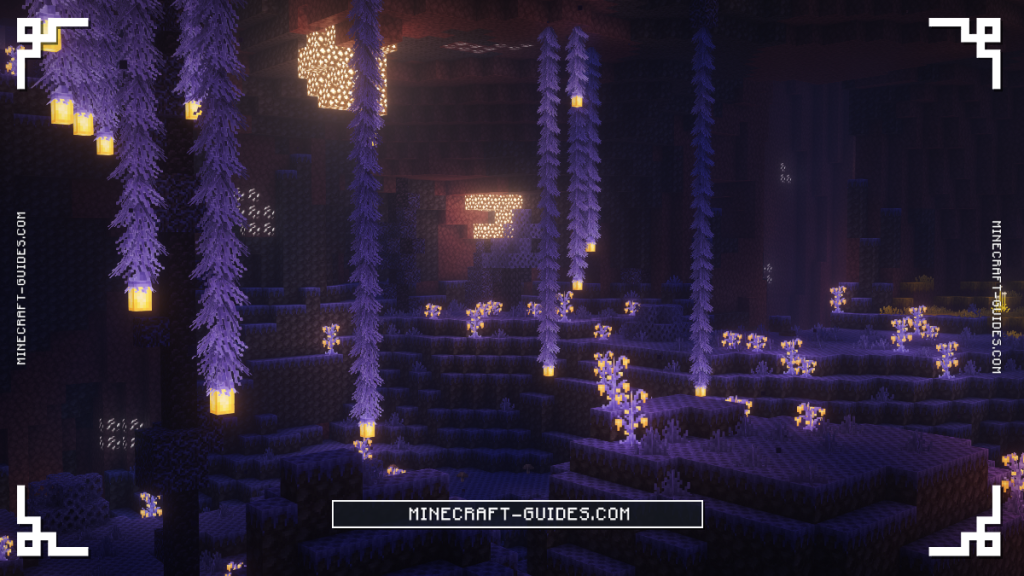
The Blackstone Basin is a vertical Nether biome coated in blue  Cobalt Nylium, with
  Obsidian pillars ringed by
  Cobalt Obsidian and
  Hanging Earlight Fruit. It grows
  Cobalt Wood for cool-toned Nether builds, and the Hanging Earlight Fruit is an edible snack found dangling from the cobalt growths. The ring-like nylium patterns give it a genuinely alien silhouette.
Infernal Holt
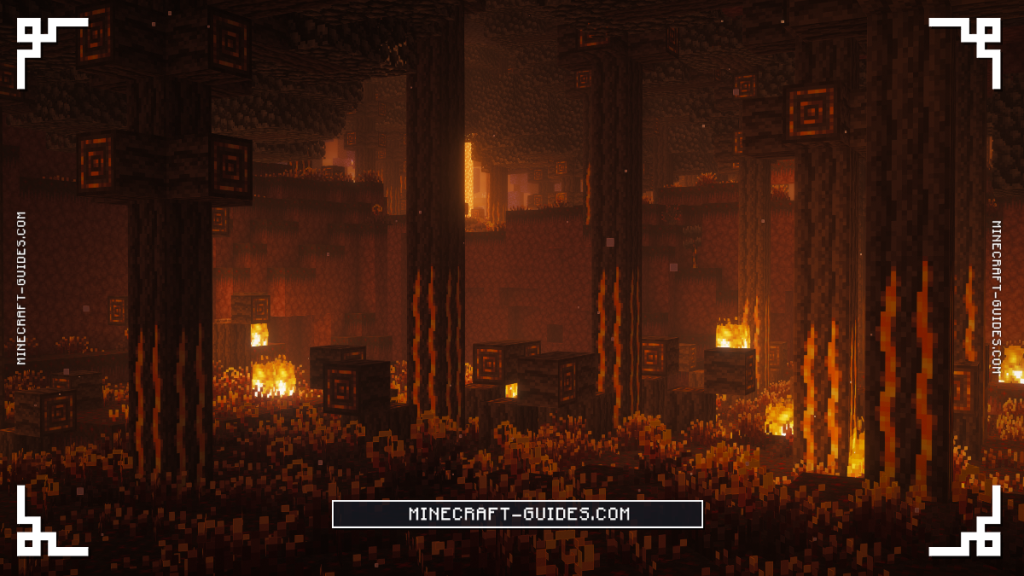
The Infernal Holt plays like a burnt-down forest transplanted into the Nether, standing out as a genuinely dangerous, downbeat place among the more colorful underworld regions. Glowing lava accents run through the  Brimwood Logs and grass, and this is the home of the hostile
  Dorcel Flower. It grows Brimwood, a fiery new wood type unique to the biome.
Glistering Meadow
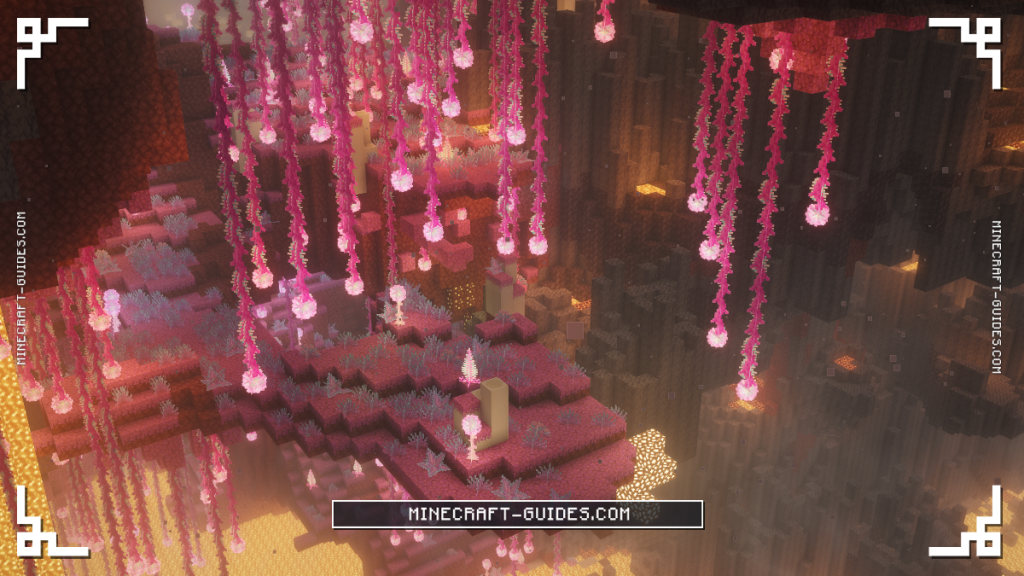
The Glistering Meadow is a pink Nether biome built on  Glistering Nylium, dotted with
  Glister Bulb, glowing blooms, and
  Glistering Ivy. It is one of the brighter, more decorative underworld regions and a strong source of pink and blue accent blocks. The animated glowing bulbs make it a standout for atmospheric Nether builds.
Mycotoxic Undergrowth
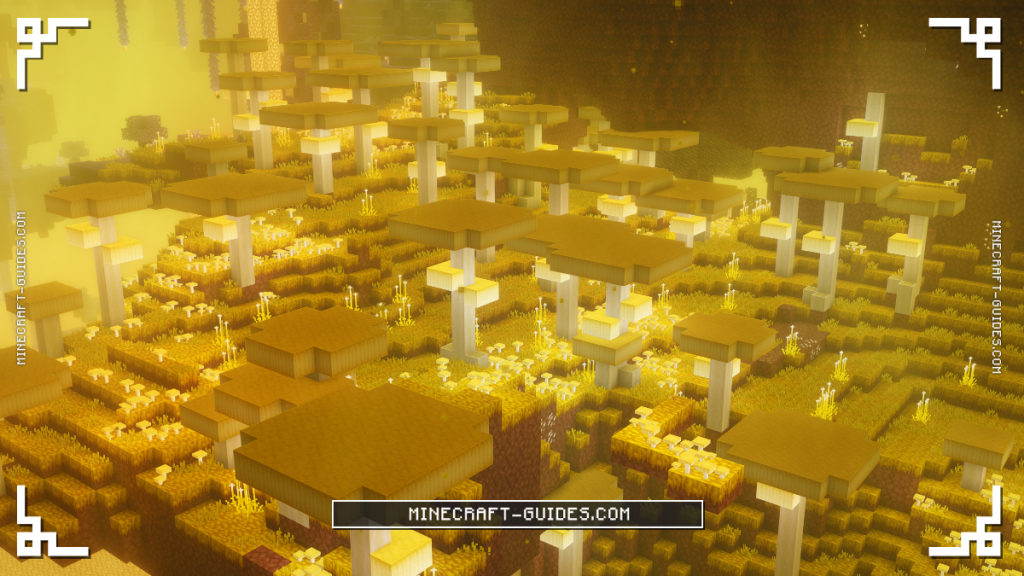
The Mycotoxic Undergrowth is a yellow fungal biome, more open than the mod’s other giant-mushroom regions, with a yellow fog that fills its wide spaces.  Mycotoxic Moss,
  Mycotoxic Grass, and mushrooms cover the ground beneath scattered growths. It offers a sickly green-yellow palette that is hard to find anywhere else in the game.
Redstone Abyss
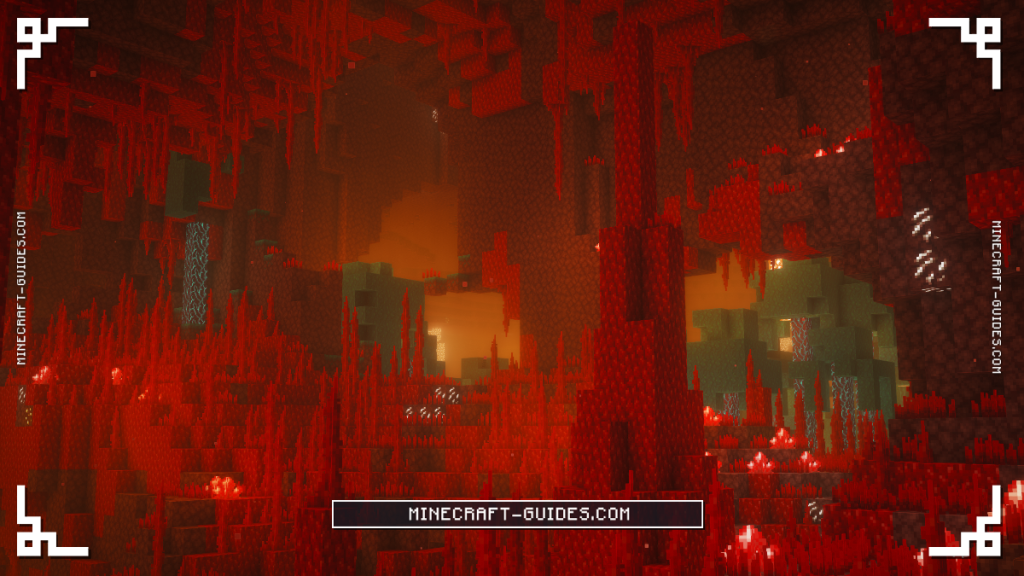
The Redstone Abyss is the Nether counterpart to the Redstone Caves, a red and spiky region that feels like a parody of everything the Nether already is. It leans into raw Redstone tones and jagged formations for a menacing look. Pair it with the Overworld Redstone Caves if you want a full red-stone build theme.
New Wood Types and Building Blocks
Beyond the scenery, the biggest practical draw of Regions Unexplored is its enormous library of building blocks. The mod adds full wood sets, colored planks, and new stone families that give builders far more range than vanilla offers. Almost everything here is craftable from resources you gather while exploring.
New Tree Wood Sets
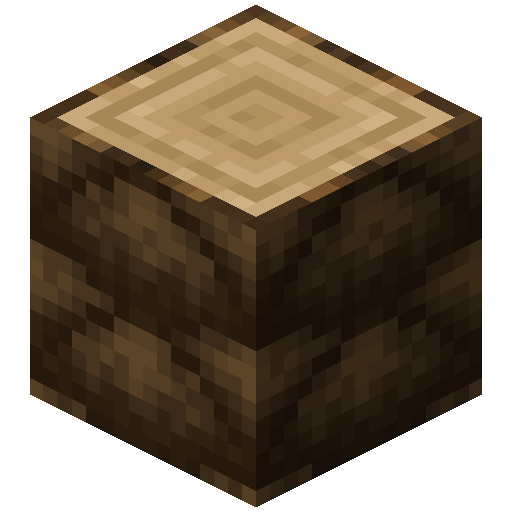
More than 20 new tree species each add their own logs, and most come with a complete wood set of Planks, Stairs, Slabs, Doors, Fences, Trapdoors, Signs, and Pressure Plates.
New Logs
24 items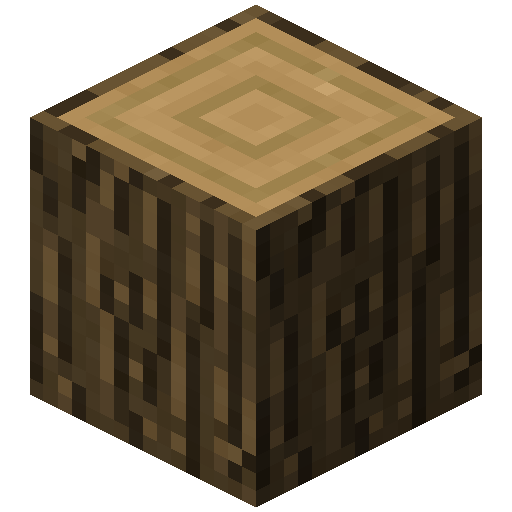 Alpha Log
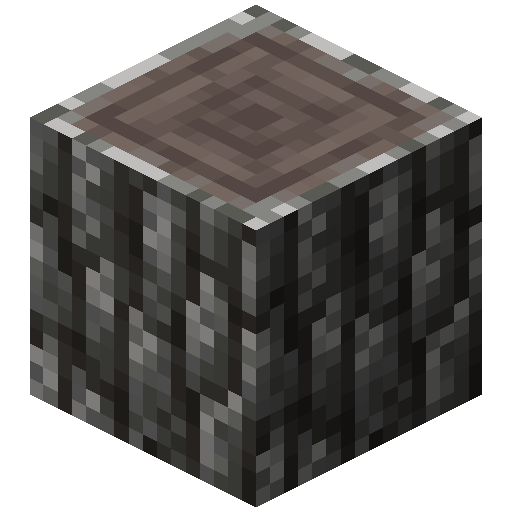 Ashen Log
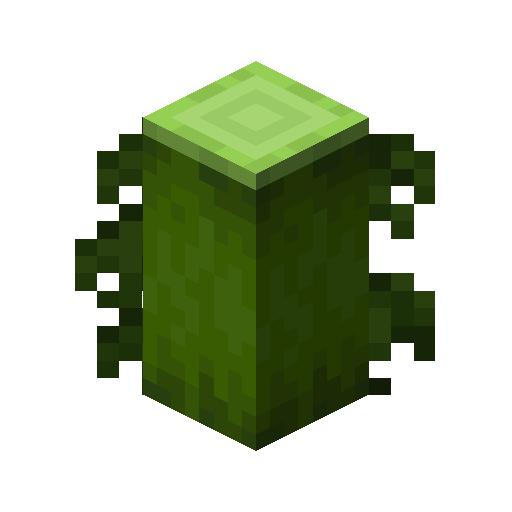 Bamboo Log
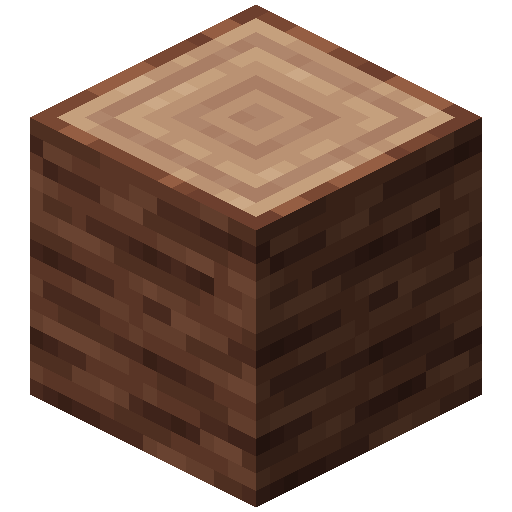 Baobab Log
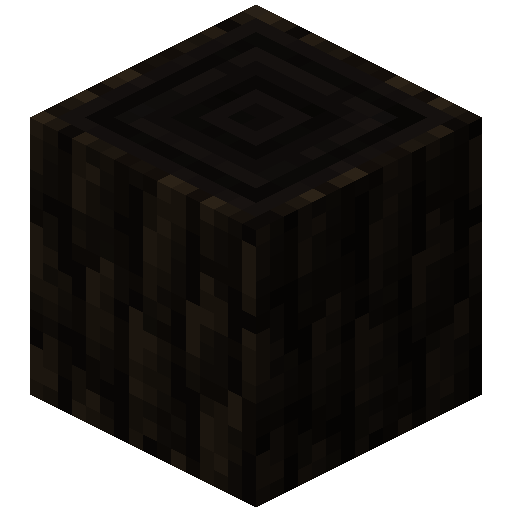 Blackwood Log
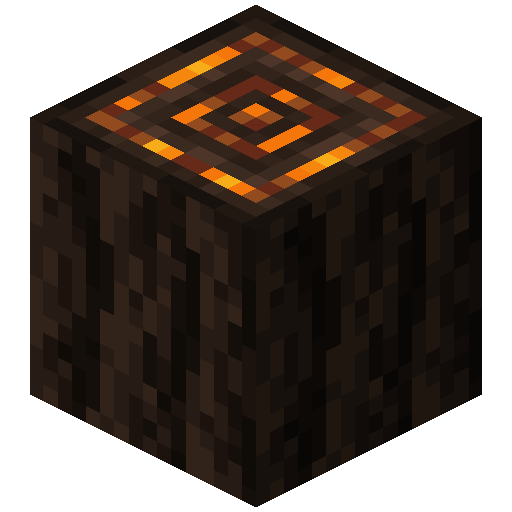 Brimwood Log
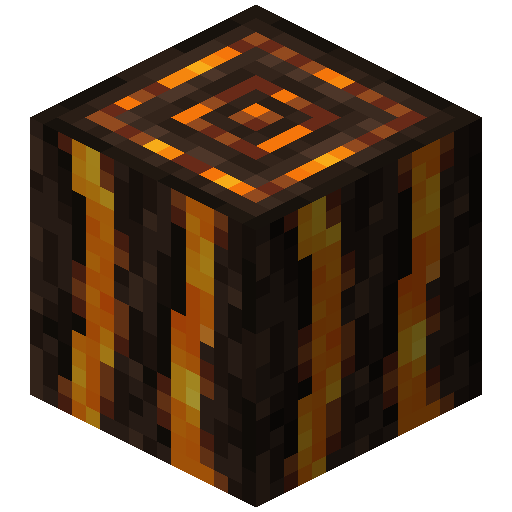 Brimwood Log Magma
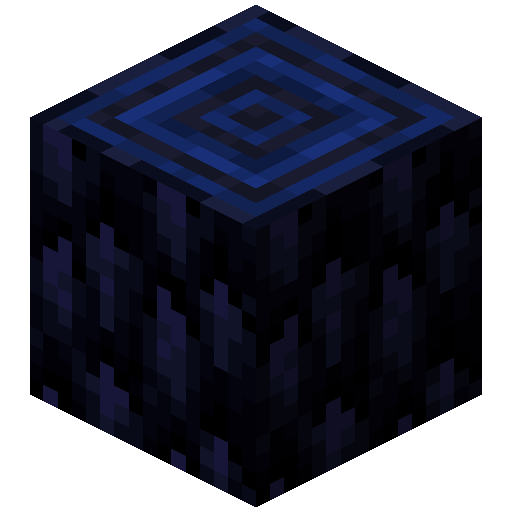 Cobalt Log
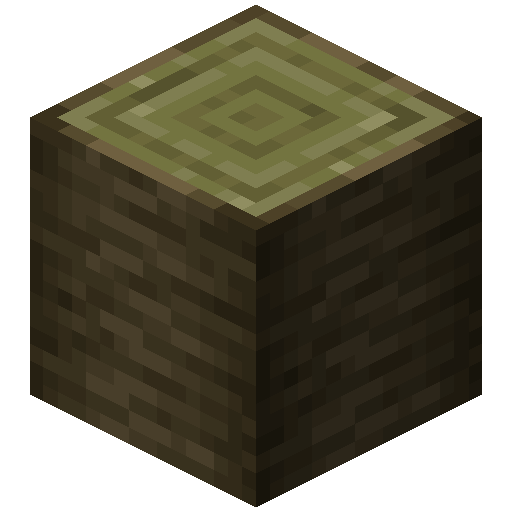 Cypress Log
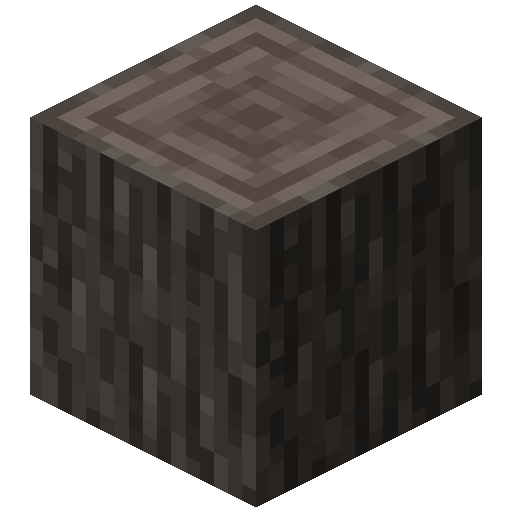 Dead Log
 Eucalyptus Log
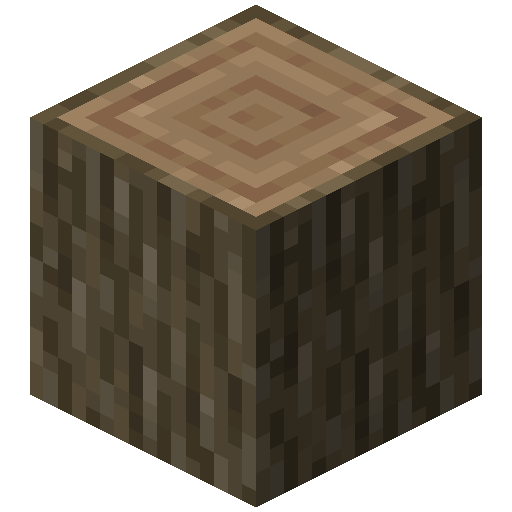 Joshua Log
 Kapok Log
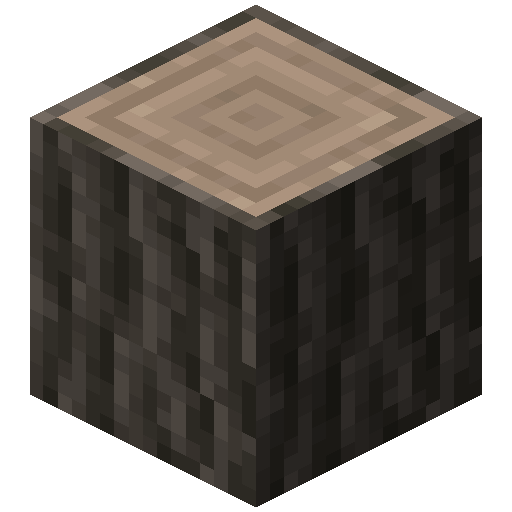 Larch Log
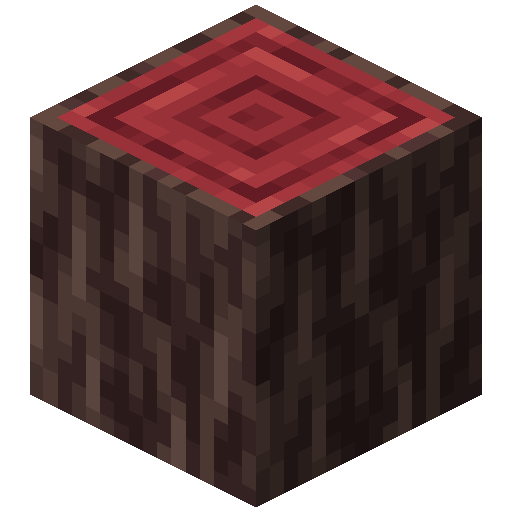 Magnolia Log
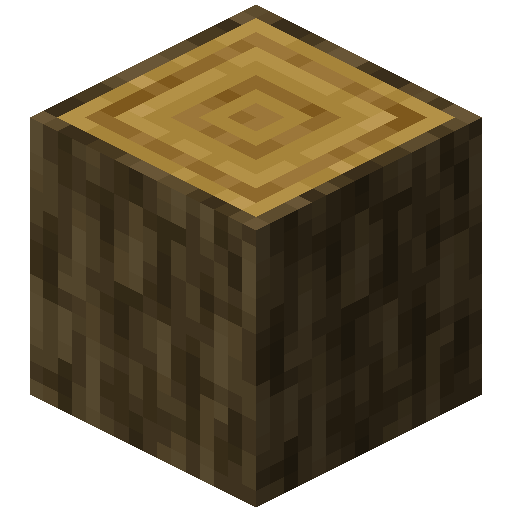 Maple Log
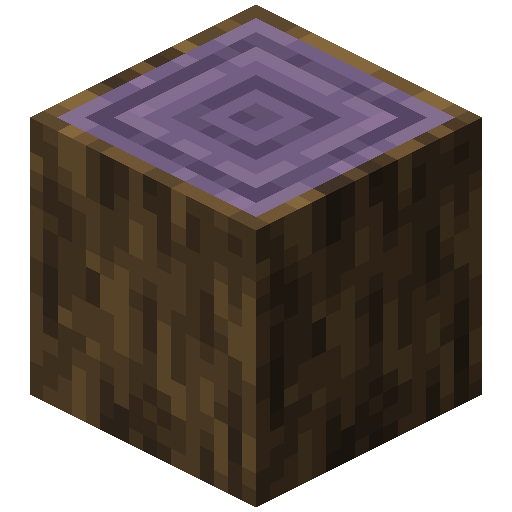 Mauve Log Palm Log
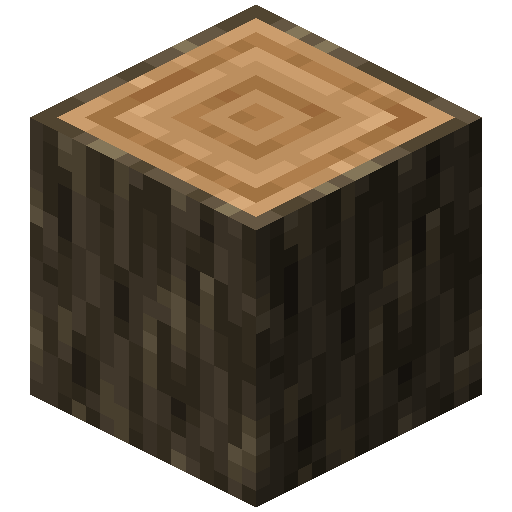 Pine Log
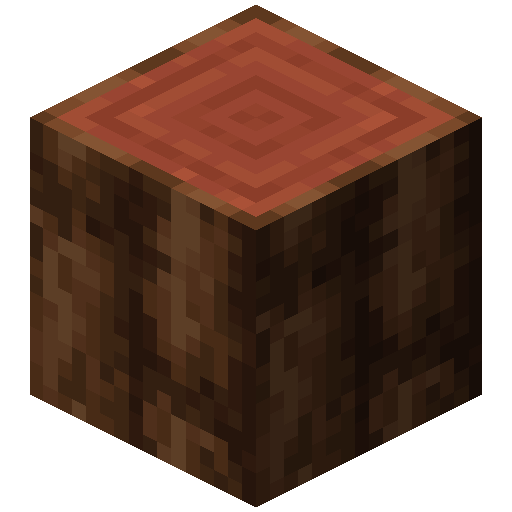 Redwood Log
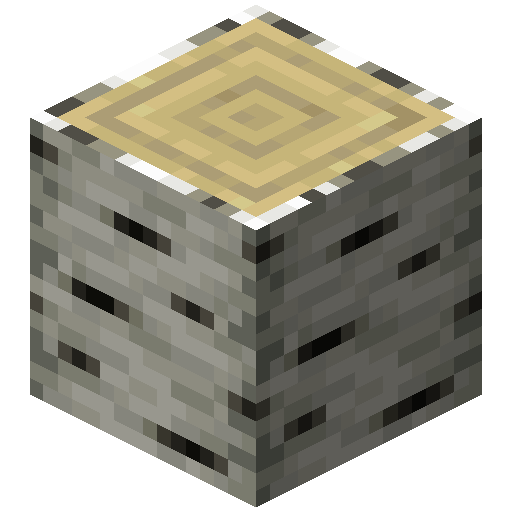 Silver Birch Log
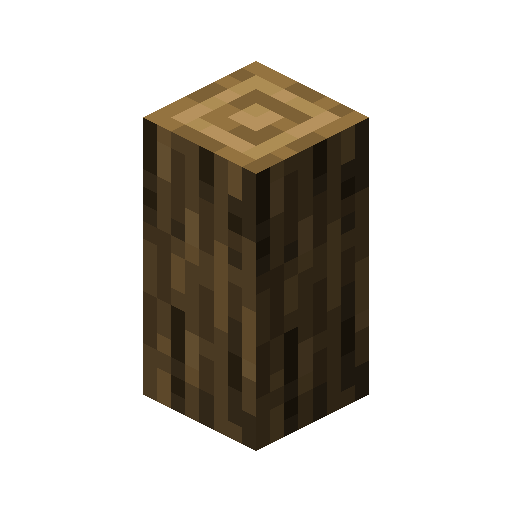 Small Oak Log
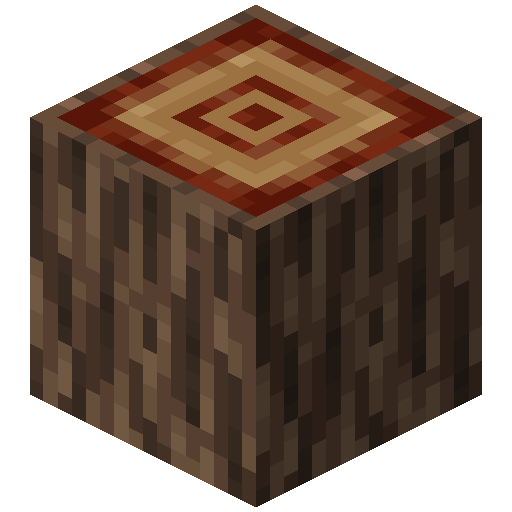 Socotra Log
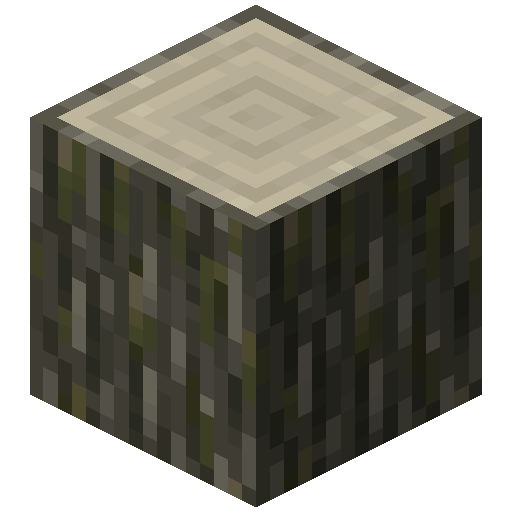 Willow Log
Woods like Maple, Magnolia, Cypress, Willow, Redwood, Palm, and Kapok cover warm, cool, and tropical tones, while Nether woods like Brimwood and Cobalt extend the palette underground. Sixteen of these woods can also be crafted into their own boats and chest boats.
Painted Planks
Painted Planks are one of the most useful additions for decorators, offering planks, stairs, and slabs in all 16 dye colors. You craft them by combining plain planks with a dye, giving you a clean, uniform colored wood for accents and patterns. They fill a gap vanilla has always left open for builders who want painted timber.
New Logs
16 items Black Painted Planks
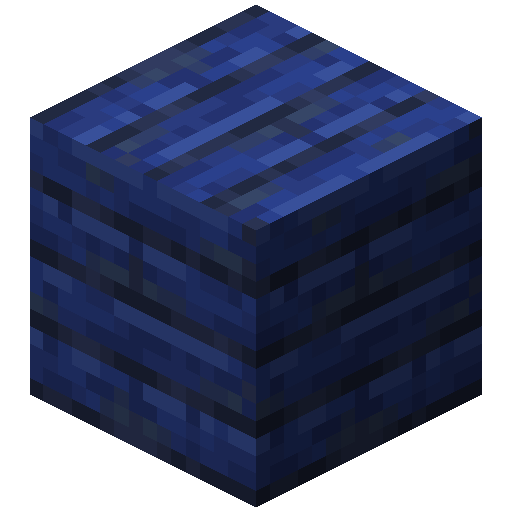 Blue Painted Planks
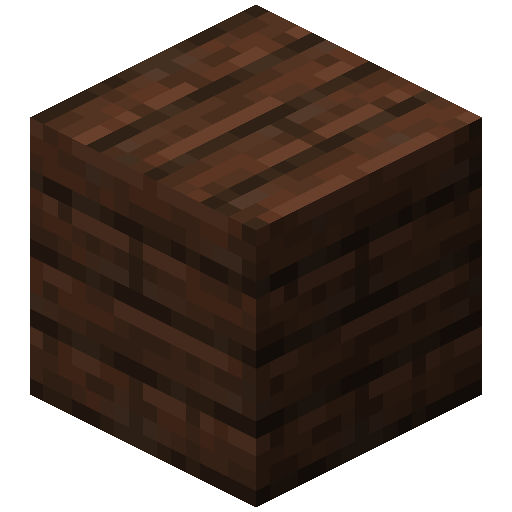 Brown Painted Planks
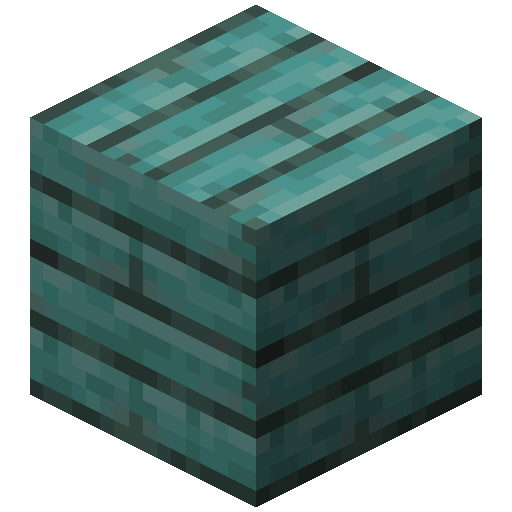 Cyan Painted Planks
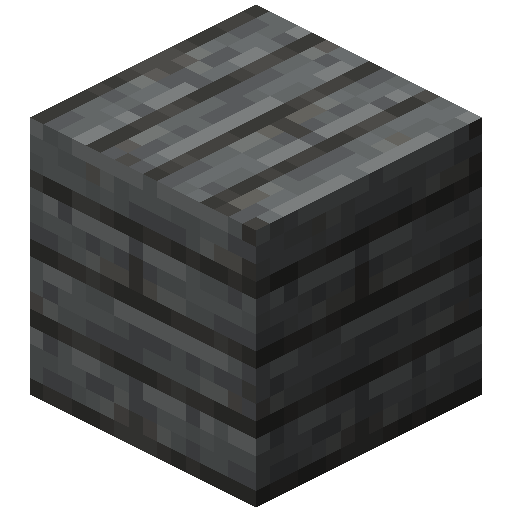 Gray Painted Planks
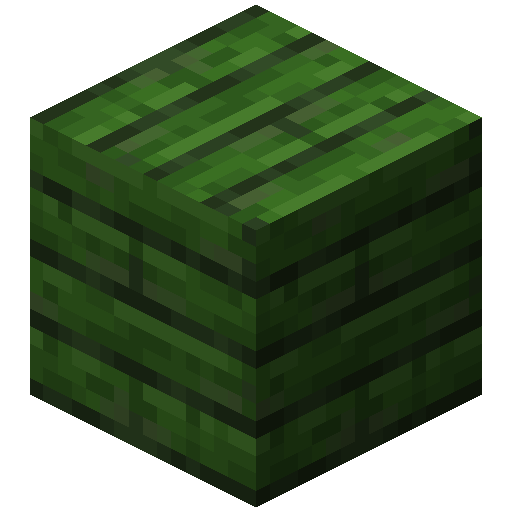 Green Painted Planks
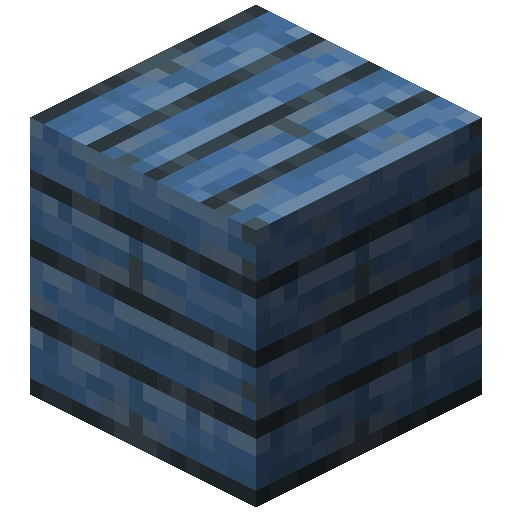 Light Blue Painted Planks
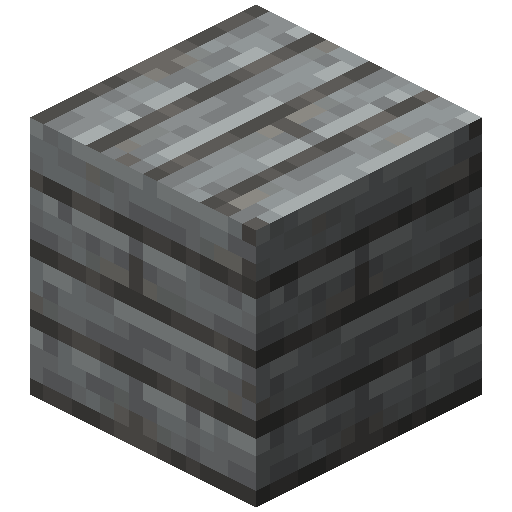 Light Gray Painted Planks
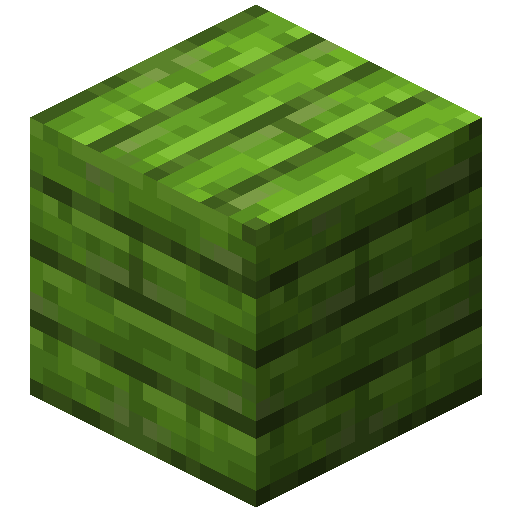 Lime Painted Planks
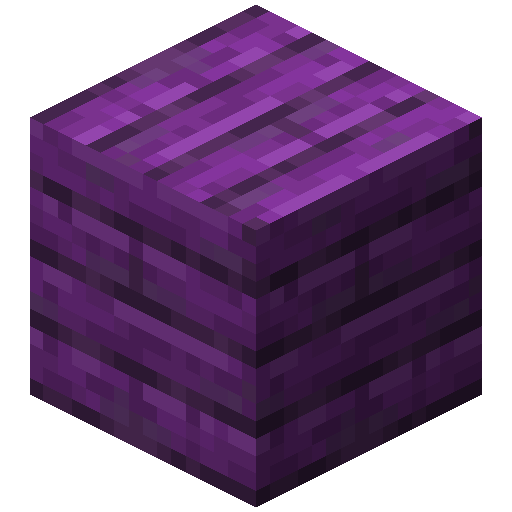 Magenta Painted Planks
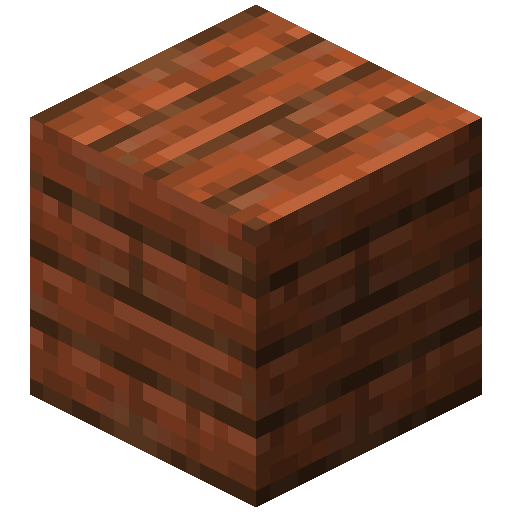 Orange Painted Planks
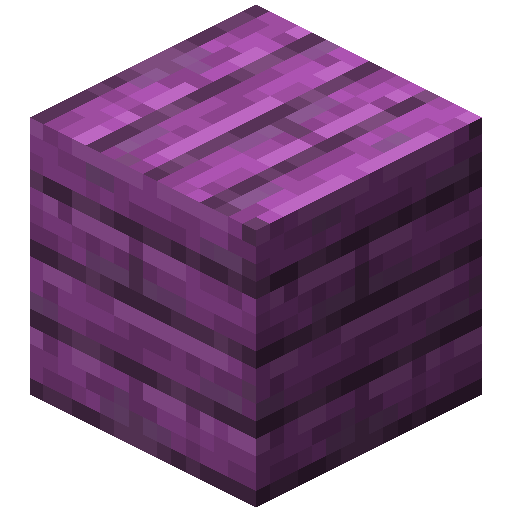 Pink Painted Planks
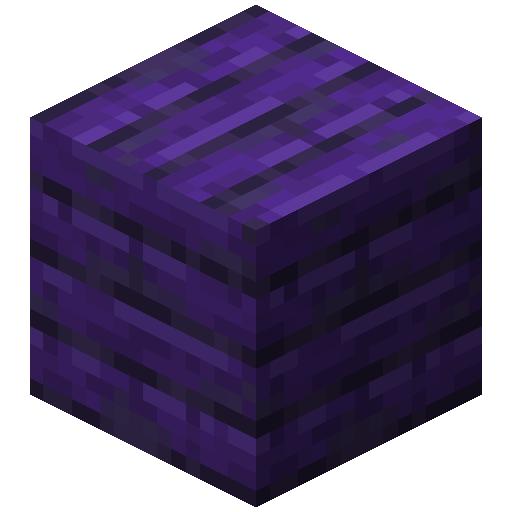 Purple Painted Planks
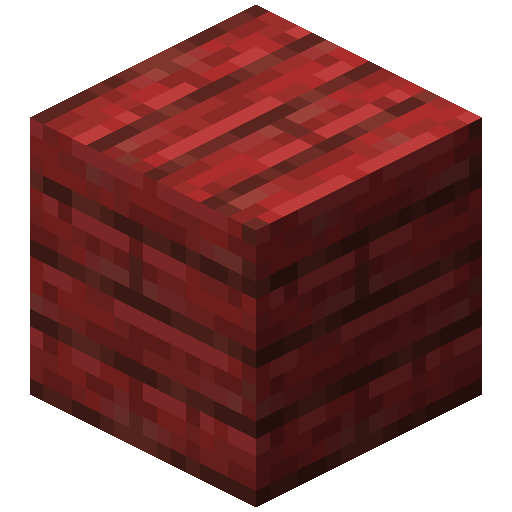 Red Painted Planks
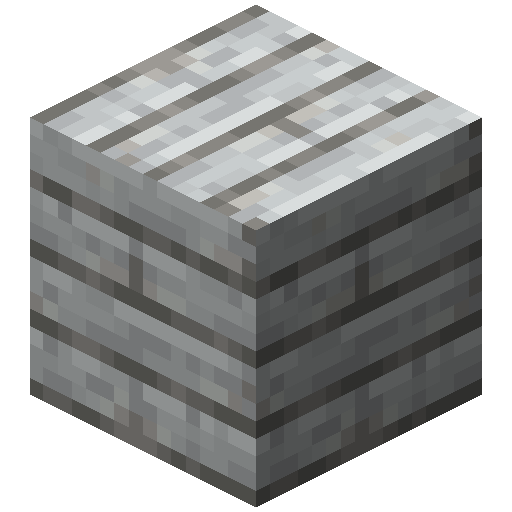 White Painted Planks
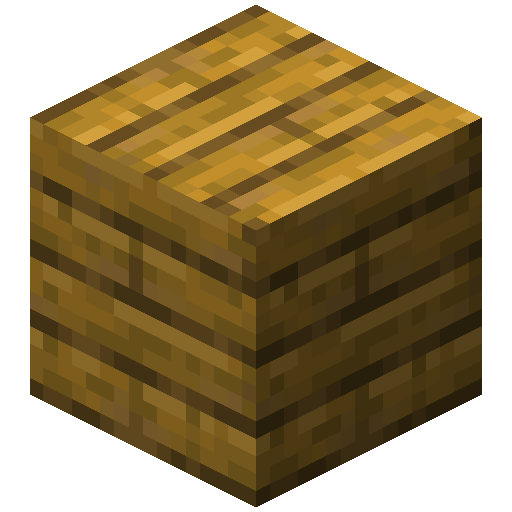 Yellow Painted Planks
Chalk and Stone Families
The Chalk Cliffs supply Chalk, a marble-white stone that crafts into bricks, pillars, polished blocks, stairs, and slabs for bright, clean architecture. Other biomes add their own stone types, including orange Argillite from the Ancient Delta and dark Volcanic Ash from the Scorching Caves. Together they give you several new base materials in colors vanilla never provided.
Comparing the Plank Families
The three main plank families each serve a different building need. Natural tree woods give you texture and grain, Painted Planks give you flat solid colors, and Bioshroom Planks give you soft fungal tones with a glow option. The table below sums up where each one comes from.
Tree Woods
Painted Planks
Bioshroom Planks
Unique Plants, Hazards, and Mechanics
A handful of blocks in Regions Unexplored do more than just sit there and look good. Some are edible, some are interactive, and a couple will actively hurt you. Knowing which is which keeps a scenic hike from turning into a surprise trip back to your spawn point.
Dorcel Flower

The Dorcel is a hostile plant that grows in the Infernal Holt and deals damage through its own custom damage source the moment you step on it. Treat patches of Dorcel Flowers as terrain to path around rather than plants to stroll through. Taking damage from one unlocks the aptly named Downer advancement.
Both the Dorcel Flower and the cave-dwelling Dusktrap can hurt or kill you if you walk into them carelessly. Watch your step in the Infernal Holt and in dark caves, especially when you are low on health.
Dusktrap
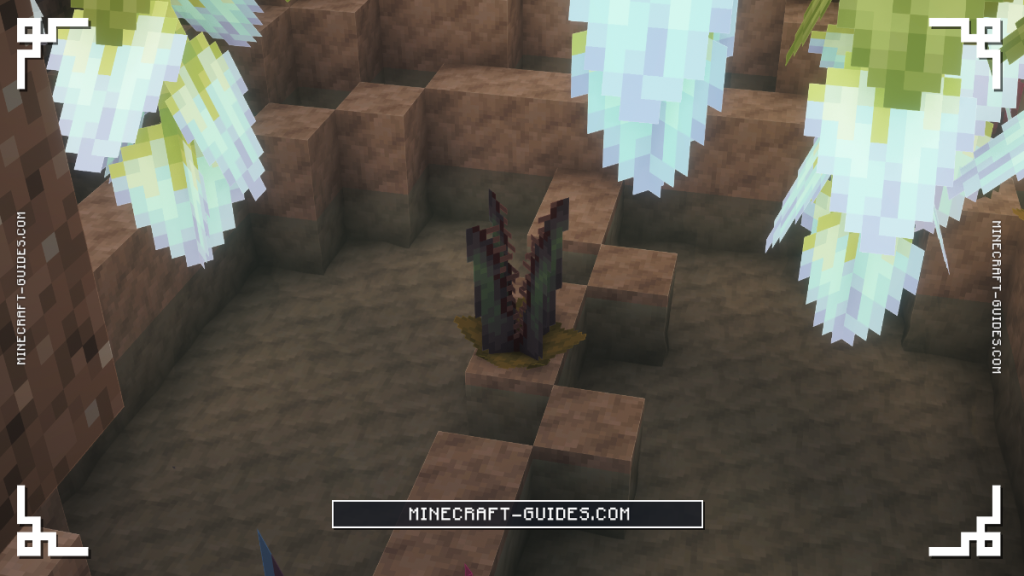
The  Dusktrap is a cave plant that behaves like a trap, detecting nearby creatures and emitting a Redstone signal when something steps into range. Its death message warns of players being eaten by a Dusktrap, so it is not a plant you want to blunder into in the dark. On the upside, its signal-emitting behavior makes it a natural mob detector for redstone contraptions.
Kapok Vines and Saguaro Cactus
Kapok trees in the Rainforest grow long vines you can grab and hang from, earning the From the Tree Tops advancement. Out in the Saguaro Desert, the branching Saguaro Cactus is safe to touch and can be placed as a full building block, unlike a normal  Cactus that damages you and breaks nearby items. Both add movement and building options you will not find in vanilla.
Duskmelon and Snowbelle
The Duskmelon is a dark, farmable melon that grows in shadowy biomes and is harvested for  Duskmelon Slices much like
  Sweet Berries, but eating a whole one briefly blinds you as a trade-off. The
  Snowbelle is a decorative flower that can be crafted in all 16 dye colors, making it a flexible garden accent. Collecting every Snowbelle color completes the Every Bit of the Rainbow advancement.
Frequently Asked Questions
No. The new biomes generate in any chunks you have not visited yet, so you can add the mod to an existing world and simply travel outward. You will not see new biomes in areas you have already fully explored, but a trip far from your base will start turning them up.
Some biomes are placed in the rare region tier and appear far less often than common ones, with the Alpha Grove being a well-known example. The fastest solution is the locate biome command with the biome’s ID, which points you to the nearest one. You can also raise a region’s rarity weight in the config if you want it to appear more frequently.
No, it does not add a dimension. All of its content generates within the existing Overworld and Nether, split across surface, cave, and Nether biome layers. This keeps the mod lightweight to set up and lets it fit into most existing packs without conflicts.
Yes. Because Regions Unexplored is built on TerraBlender, it is designed to share world generation with other mods that use the same library, so it commonly runs alongside packs that also include other biome mods. When mixing several biome mods, expect the world to feel very varied, and consider using the config toggles to trim any regions you do not want.
A few are. The Dorcel Flower in the Infernal Holt hurts you when you step on it, and the cave-dwelling Dusktrap can eat unwary players who walk into it. Eating a whole Duskmelon also briefly blinds you, so treat these three as hazards to handle carefully rather than harmless scenery.