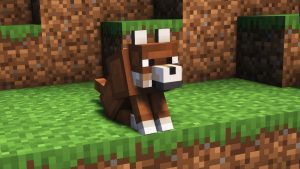
Roosts are the dragon nests you’ll find out in the world in Book of Dragons, and each kind is built for one group of dragons, from the cliffside nests of Skrills and Night Furies to the lava dens of Monstrous Nightmares. There are five kinds, and each has a Roost Map that’ll point you to the nearest one.
Since version 1.4 a roost doesn’t spawn its own dragon anymore, as dragons spawn in the wild instead. A roost still matters, though, as it makes its dragons a lot more likely to turn up nearby, and you’re able to build a tamed dragon a roost of its own with the Dragon Roost block.
Roost Maps
Roost Maps are sold by the Hooligans, one for each kind of roost, and right-clicking one finds the nearest roost of that kind. The Roost Map turns into a normal Map with a red X over the roost and its name written on, which uses up the Roost Map in the process.
| Roost Map | Hooligan Villager | Hooligan Drifter |
|---|---|---|
| Cave Roost Map | Apprentice, 20 Emeralds + 16 Stone | 60 Emeralds + 48 Stone |
| Glade Roost Map | Journeyman, 20 Emeralds + 8 Iron Ingots | 60 Emeralds + 24 Iron Ingots |
| Wetland Roost Map | Expert, 20 Emeralds + 4 Ender Pearls | 60 Emeralds + 12 Ender Pearls |
| Barrens Roost Map | Master, 20 Emeralds + 4 Blaze Powder | 60 Emeralds + 12 Blaze Powder |
| Cliff Roost Map | Master, 20 Emeralds + 4 Diamonds | 60 Emeralds + 12 Diamonds |
If there isn’t a roost close enough, the map will tell you no roost was found and stay in your inventory, so you’re able to carry it somewhere else and try again. It searches a long way out, so this usually means you’re in the wrong part of the world, like using a Cliff Roost Map far from any mountains.
There’s a sixth map, the Strike Roost Map, but it isn’t sold by either Hooligan and it’ll always say no roost was found, as the roost it looks for doesn’t exist in version 1.4. Use the Cliff Roost Map to find Skrills and Night Furies instead.
Each map trade from a Hooligan Villager can only be used once before it restocks, so if you’re planning on visiting several roosts, buy the map for the dragon you want most first. The Drifter only carries two random maps at a time, which makes it a less reliable source.
The Five Roosts
Each kind of roost only generates in a few biomes that suit its dragons, so you’ll find them in the same sort of places those dragons spawn. Cave Roosts are the closest together and Cliff Roosts are the furthest apart, which means you’ll usually have a longer trip ahead of you when you’re after a Skrill or a Night Fury.
| Roost | Biomes | Dragons Drawn to It |
|---|---|---|
| Cave Roost | Windswept Hills, Windswept Gravelly Hills, Windswept Forest, Stony Peaks, Meadow | Gronckle, Whispering Death |
| Glade Roost | Old Growth Birch Forest, Old Growth Pine and Spruce Taiga, Jungle, Sparse Jungle | Deadly Nadder |
| Wetland Roost | Swamp, Mangrove Swamp, Mushroom Fields | Hideous Zippleback |
| Barrens Roost | Desert, Badlands, Eroded Badlands, Wooded Badlands, Savanna, Savanna Plateau | Monstrous Nightmare |
| Cliff Roost | Snowy Slopes, Jagged Peaks, Frozen Peaks, Stony Peaks | Skrill, Night Fury |
Getting within a few blocks of any roost earns the Trail Tracker advancement, and stepping inside one of each of the five kinds earns Roost Discoverer. There’s no loot in any of them, so the reason to visit is the dragons that gather around them.

The Terrible Terror and Speed Stinger don’t use roosts at all, so you won’t find them around one. A Night Fury is also only drawn to a Cliff Roost that’s empty, which means a roost with a Skrill already living in it won’t bring one in, as covered on the Night Fury page.
What Roosts Do
Every roost has a Dragon Roost block hidden in it, which is what dragons claim as their home. A wild dragon that has claimed a roost will stay around it and never despawn, whereas a dragon with no roost can despawn if it’s left alone far away from players for a while.
Having a roost nearby also makes its dragons more likely to spawn, so a Glade Roost brings more Deadly Nadders to the forest around it and a Cave Roost brings more Gronckles and Whispering Deaths. Monstrous Nightmares will even spawn flying above a Barrens Roost, which is covered in more detail on Wild Spawning and Territories.
Sharing a Roost
A roost can hold a few dragons at once, but a dragon will only move into one that’s held by creatures it gets along with. Young dragons won’t claim a roost at all, and a full roost turns new dragons away, so a crowded one won’t take any more.
Territorial dragons like the Skrill and Monstrous Nightmare defend the area around their home, which is worth knowing before you walk into a roost. Approaching slowly and crouching makes you look a lot less threatening, as it would when you’re taming one.
The Dragon Roost Block
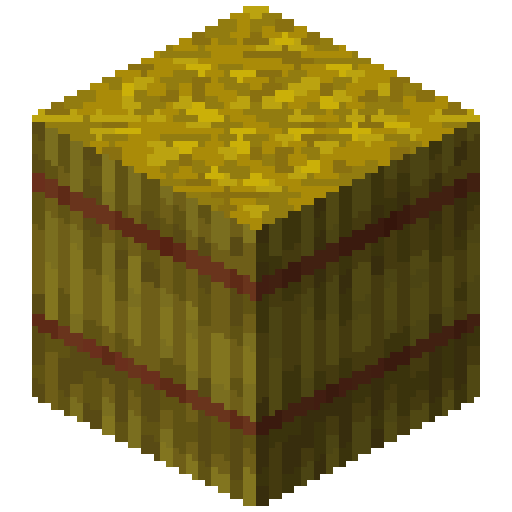
The Dragon Roost block lets you build a roost of your own, which is the only kind a tamed dragon will claim. It’s crafted from  Sticks and
 Hay Bales, and it’s a slab with Hay on top, so it looks like a nest, and placing a few side by side joins them into one bigger roost that’s able to hold more dragons.



Up to nine Dragon Roost blocks join together, and each block adds room for another dragon. Once a dragon claims it, it’ll scatter some of its shed scales around the area as decoration, which is a handy way to tell at a glance which roost belongs to which dragon.

A tamed dragon with a roost has somewhere to return to, and it’ll only share it with dragons it’s friendly with, the same as in the wild. Building separate roosts for dragons that don’t get along keeps them apart, which saves you breaking up fights between them.
FAQ
Glade Roosts generate in Old Growth Birch Forests, Old Growth Pine and Spruce Taigas, Jungles and Sparse Jungles, and they bring in Deadly Nadders. A Glade Roost Map from a Journeyman Hooligan Villager will mark the nearest one for you.
Right-click a Roost Map and it searches for the nearest roost of its kind, then turns into a normal map with a red X over it. The Roost Map is used up when it finds one, but if nothing is close enough it stays in your inventory so you can try again somewhere else.
There’s no roost of that kind close enough, so try again in a part of the world with the right biomes, like mountains for a Cliff Roost. The Strike Roost Map will always say this in version 1.4, as the roost it looks for doesn’t exist.
Not directly anymore, as dragons spawn in the wild instead, although a roost makes its own dragons more likely to spawn nearby. A dragon that claims a roost also won’t despawn, which is why you’ll often find the same dragon around one.